
WNC LogoWNC
UsługiRozwiązaniaFirmaAcademyLabsKontakt
Otwórzcie Kanban

We No Code. We Architect.

Rozpocznijcie projekt daniel@we-nocode.com
WNC LogoWNC

Partner w zakresie AI i automatyzacji. Tworzone z troską w USA, Polsce, Estonii, Brazylii i Ukrainie.

daniel@we-nocode.com+38 (068) 758-94-22+38 (095) 411-95-37
Remote-first, na całym świecie

Rozwiązania

  • Atflow
  • Alt Auth
  • AdCrier
  • Pastukh
  • Olymp Hill

Portale

  • Portal klienta
  • Portal inwestora
  • Portal partnera

Firma

  • O nas
  • Nasz zespół
  • Case studies
  • Opinie
  • Inwestycje
  • Blog
  • Wiadomości
  • Kariera
  • Lokalizacje
  • Kontakt

Labs

  • Miltech
  • AI Labs
  • Internet of Things
  • Robotics

Inicjatywy

  • Startup Program
  • Academy
  • Olymp Hill

Usługi

Wszystkie usługi
AI
  • Agentowe systemy AI
  • Agenci AI i copiloty
  • Serwery MCP
  • Potoki RAG
  • Głosowi agenci AI
  • Oprogramowanie zorientowane na AI
  • Automatyzacja procesów
  • LLMOps i evale
  • Fine-tuning i modele
  • AI dla dokumentów
  • Widzenie komputerowe
Rozwój oprogramowania
  • Rozwój webowy
  • Rozwój mobilny
  • Tworzenie SaaS i MVP
  • Projektowanie UI/UX
  • Integracje i API
  • Tworzenie e-commerce
  • Modernizacja systemów legacy
  • QA i automatyzacja testów
  • No-code i low-code
  • Rozwój desktopowy
Systemy wbudowane i IoT
  • Rozwiązania IoT
  • Firmware dla systemów wbudowanych
  • Wbudowany Linux i SoC
  • Edge AI i TinyML
  • Technologie bezprzewodowe i łączność
  • Prototypowanie sprzętu
  • Platforma IoT i chmura
  • Zarządzanie flotą i aktualizacje OTA
  • Przemysłowy IoT (IIoT)
  • Bezpieczeństwo IoT
Chmura i dane
  • Inżynieria danych
  • Chmurowa infrastruktura AI
  • Rozwój serwerowy
  • DevOps i platformy
  • Migracja i FinOps
  • BI i dashboardy
  • Analityka wydajności
  • Wsparcie i SRE
Bezpieczeństwo
  • Pentesty
  • Red teaming AI
  • Zgodność
  • Uwierzytelnianie
  • Bezpieczeństwo chmury
  • Bezpieczny SDLC
  • Łańcuch dostaw
  • Audyty bezpieczeństwa
  • Monitoring bezpieczeństwa
  • Zero trust
  • Prywatność i RODO
Doradztwo
  • Konsulting i usługi doradcze
  • CTO-as-a-service
  • Strategia i ład AI
  • Due diligence
  • Dedykowany zespół
  • Szkolenia AI dla firm
R&D / innowacje
  • Proof of concept i wykonalność
  • Szybkie prototypowanie
  • Stosowane badania AI
  • Rozpoznanie i poszukiwanie technologii

© 2026 WNC. Wszelkie prawa zastrzeżone.

🇺🇦Solidarni z Ukrainą

We No Code

Back to Blog
Why Soft Skills Matter More When AI Does the Routine
Team Culture min readNovember 10, 2026

Why Soft Skills Matter More When AI Does the Routine

AI is changing how we work, but not what makes teams effective. A balanced look at why technical and human skills work best together.

Anastasiia Nikulshyna

Anastasiia Nikulshyna

HR

AI tools are now part of everyday work for many teams. They help draft texts, summarize documents and speed up routine tasks. That naturally raises a question: what should we invest in as people and as teams?

Our view is simple: technical skills remain the foundation, and soft skills help us get more value from them.

Technical skills are still essential

Using AI well requires understanding the subject. A business analyst who knows the domain will notice when an answer looks wrong. A developer who understands the code will spot a risky suggestion. Tools don't replace this knowledge. They make it more useful in the hands of someone who has it.

Where soft skills come in

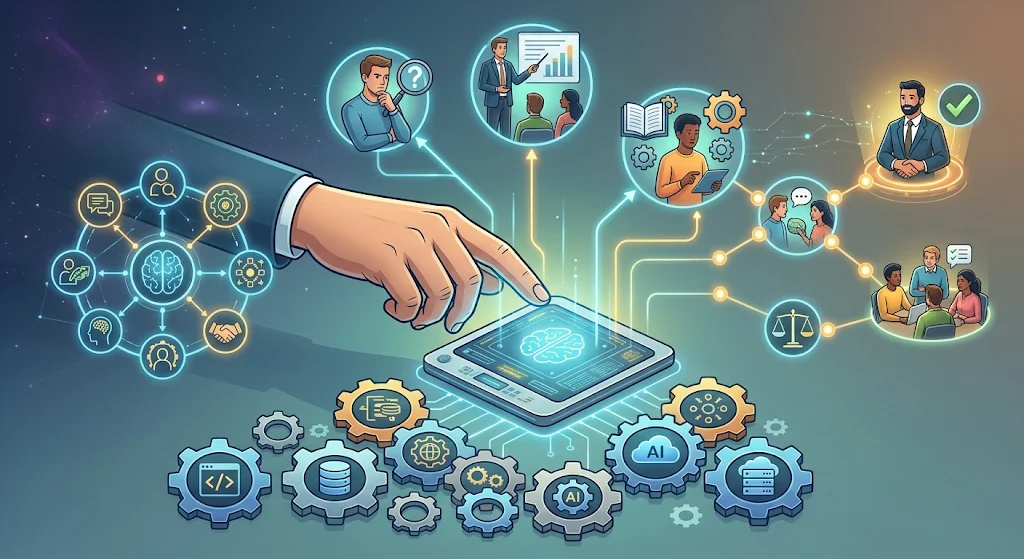
When tools handle more of the routine, a larger part of our time goes to things around the task itself:

  • Asking clear questions. A good result often starts with a well-framed request.
  • Checking and questioning. AI can sound confident and still be inaccurate, so someone needs to review the output with a critical eye.
  • Communicating. Turning a result into a clear message for a colleague or a client is part of the job.
  • Learning quickly. Tools change often, and curiosity helps us keep up.
  • Working together. Teams that share what works and admit what doesn't tend to learn faster.
  • Taking responsibility. A tool can suggest, but a person makes the final decision.

None of these replace technical expertise. They work alongside it.

What this can mean for teams

  • In hiring, it helps to look at both: what a person knows and how they approach problems, learn and work with others.
  • In growth, it's useful to give people chances to practice, for example by presenting results, mentoring a new colleague or leading a retrospective.
  • In culture, it helps to make questions welcome, including questions about AI-generated answers.
  • In recognition, it's worth appreciating people who make the whole team stronger, not only those who finish tasks fastest.

A balanced approach

It isn't a choice between technical and human skills. Strong teams need both: expertise to do the work well and people skills to do it together. As tools take on more routine tasks, the second part is likely to become more visible, and it's worth giving it the same attention we give to tools and certifications. 🌱

Tags
Aiteam culturefuture of workcritical thinking